Roofing Tear-Off Dumpster Guide for Athens, Alabama
Shingles are heavier than they look, and weight limits, not roof size, usually decide the right dumpster. Here's how to size a tear-off dumpster by squares and layers.
Athens dumpster guide
A practical guide to sorting, timing, and sizing a dumpster for an estate cleanout in Athens, including why curbside pickup in Limestone County won't take furniture or appliances.
An estate cleanout is rarely just a logistics job. It usually comes during probate, a family downsizing, or the difficult move of a loved one into care — and the physical work of clearing a house is happening alongside decisions that have nothing to do with hauling. This checklist is meant to make the physical side easier so there’s more room for everything else.
Before anything leaves the house, walk through it once with whoever is helping and get a rough sense of scope: how many rooms, how much furniture, whether there’s a garage, attic, or shed involved, and whether anyone in the family needs time to go through specific items before the rest is cleared. Estate cleanouts move faster and with less regret when there’s a plan before the work starts, even a simple one. If multiple family members are involved, agreeing on a rough timeline up front — even just “we’ll take the first weekend for sorting, the second for hauling” — prevents the situation where someone shows up to find a decision already made without them.
The single most useful thing you can do before a dumpster ever arrives is sort into three categories: keep (family members want it or it has real value), donate (usable condition, someone else can use it), and dispose (broken, worn out, or simply not wanted by anyone). Doing this room by room, rather than trying to sort the whole house at once, keeps the job from feeling endless. A few practical notes from cleanouts we’ve seen go smoothly: set aside documents, photos, and anything with sentimental or financial value first, before general sorting starts, so nothing important accidentally ends up in the dispose pile. Boxes for donation should go out for pickup or drop-off promptly — a garage full of donate boxes that sits for weeks tends to quietly become a dispose pile anyway.
If you’re handling a cleanout in unincorporated Limestone County, it’s worth knowing up front that the county’s curbside collection program does not accept bulk items — furniture, appliances, mattresses, and similar large household items are the property owner’s responsibility to dispose of, not something you can just set at the curb on collection day. That’s exactly the situation an estate cleanout runs into: a house full of furniture, appliances, and belongings that curbside service was never designed to handle in the volume a cleanout produces. A roll-off dumpster on site solves this directly — everything that’s in the dispose pile goes into one container instead of accumulating in the driveway waiting for a collection day that isn’t going to take it anyway.
Size depends on house size and how much is actually leaving versus staying with family or going to donation. A 15 yard container is usually enough for a smaller home, a condo, or a cleanout where most of the furniture is being kept or donated and only a modest amount is being disposed of. A 20 yard is our most common recommendation for a typical single-family home — enough room for furniture, appliances, and general household volume without needing a second container. A 30 yard makes sense for a larger property, a house that also involves clearing a garage, shed, or attic full of accumulated belongings, or a cleanout that includes some construction-adjacent debris like old flooring or a small demoed structure. If you’re not sure which size fits your situation, describe the house — square footage, how many rooms are being cleared, whether there’s a garage or outbuilding involved — and we can help you land on the right one. Full specs for each option are on our sizes page.
Estate cleanouts don’t run on a construction schedule. Family members travel in from out of town, probate paperwork takes the time it takes, and decisions about what to keep sometimes need to wait for a sibling or executor to weigh in. We keep our rental periods flexible enough to accommodate that reality — if you need the container on site for a stretch while the family works through things at their own pace, tell us that when you book rather than assuming you have to rush. It’s far better to ask for the time you actually need up front than to feel pressured into a faster cleanout than the situation calls for.
Working through a house in a consistent order helps nothing get missed. A rough sequence that works well: start with bedrooms and closets (personal items, clothing, keepsakes), move to common living areas (furniture, electronics, decor), then kitchen (appliances, dishware, pantry items), then bathrooms (typically fast, mostly dispose), then garage, attic, and any outbuildings last, since these tend to hold the most accumulated items and take the longest. Within each room: pull anything sentimental or valuable first, sort the rest into keep, donate, and dispose as you go, and move dispose items directly to the dumpster rather than letting them pile up inside — it keeps the house feeling like progress is actually happening, which matters more than it sounds like it would during a long cleanout.
We do estate cleanouts regularly, and the ones that go well tend to share one thing: nobody rushed the sorting. The dumpster can sit as long as your rental period allows, and there’s no reason to make disposal decisions faster than the family is ready to make them. Our job is to give you a container that’s there when you need it and gone when you’re done — not to push the pace of a process that’s already hard enough on its own terms.
If you’re planning an estate cleanout in Athens or the surrounding area, call us at (256) 800-6590 and tell us about the property — size, what’s involved, and roughly when you expect to need the container. Our estate cleanout service page has more detail on how we handle these jobs, and we’re happy to talk through timing and sizing before you commit to a date.
FAQs
It depends on the house. A 15 yard usually covers a smaller home or a cleanout where most items are being kept or donated. A 20 yard fits a typical single-family home. A 30 yard is a better fit for a larger property or one that also involves a garage, shed, or attic full of accumulated belongings.
No. Limestone County's curbside collection program does not accept bulk items like furniture, appliances, or mattresses — disposing of those is the property owner's responsibility. This is exactly the gap a dumpster on site is meant to fill during a cleanout.
We keep rental periods flexible for estate cleanouts specifically, since sorting through a family home rarely runs on a fixed schedule. Tell us what timeline you're working with when you book and we'll plan around it.
Sorting into keep, donate, and dispose piles before or during the cleanout — ideally room by room — makes the whole process faster and reduces the chance something valuable or sentimental ends up disposed of by mistake.
In most cases, yes — describe your driveway and lot layout when you call and we'll help match the container size to what will actually fit, or talk through placement options if the driveway is tight.
Ready when you are
Call and you will speak to someone local who knows the streets, the permit rules and which box actually fits your driveway. Flat rate quoted up front.
Keep reading
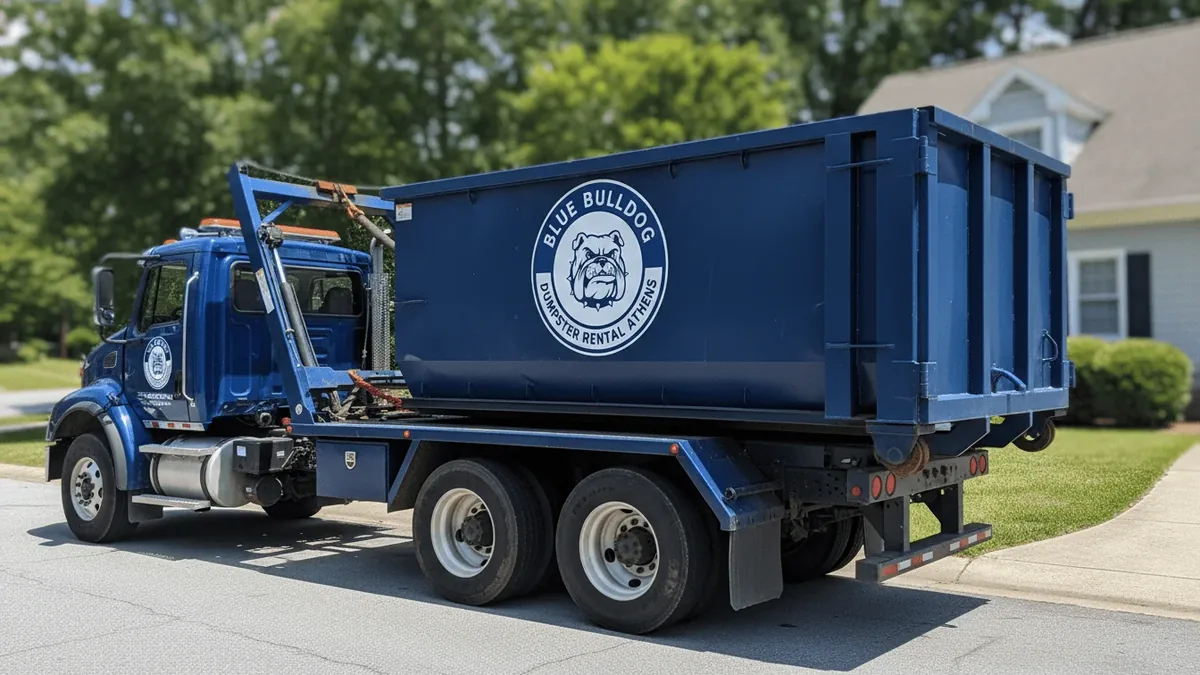
Shingles are heavier than they look, and weight limits, not roof size, usually decide the right dumpster. Here's how to size a tear-off dumpster by squares and layers.
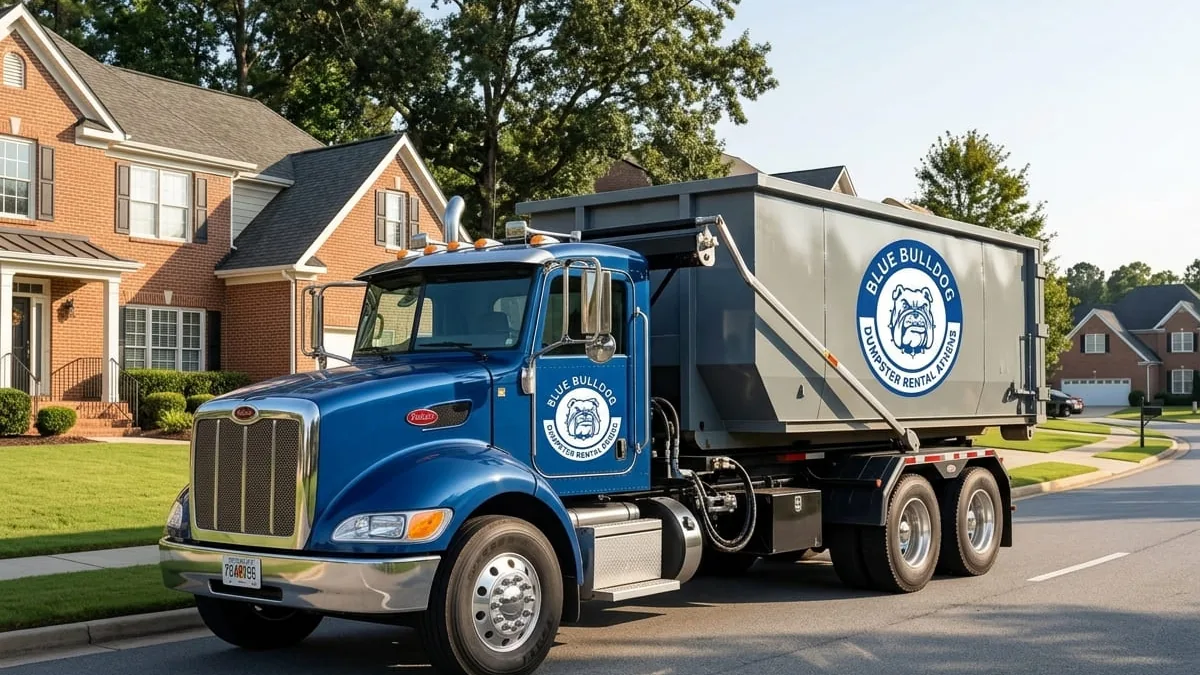
Limestone County has a real history with severe spring weather, and storm cleanup brings its own delivery and debris-weight considerations. Here's what to expect.
Limestone County's namesake bedrock means rockier or uneven ground in some yards and driveways — here's what that means for placing a dumpster safely.